
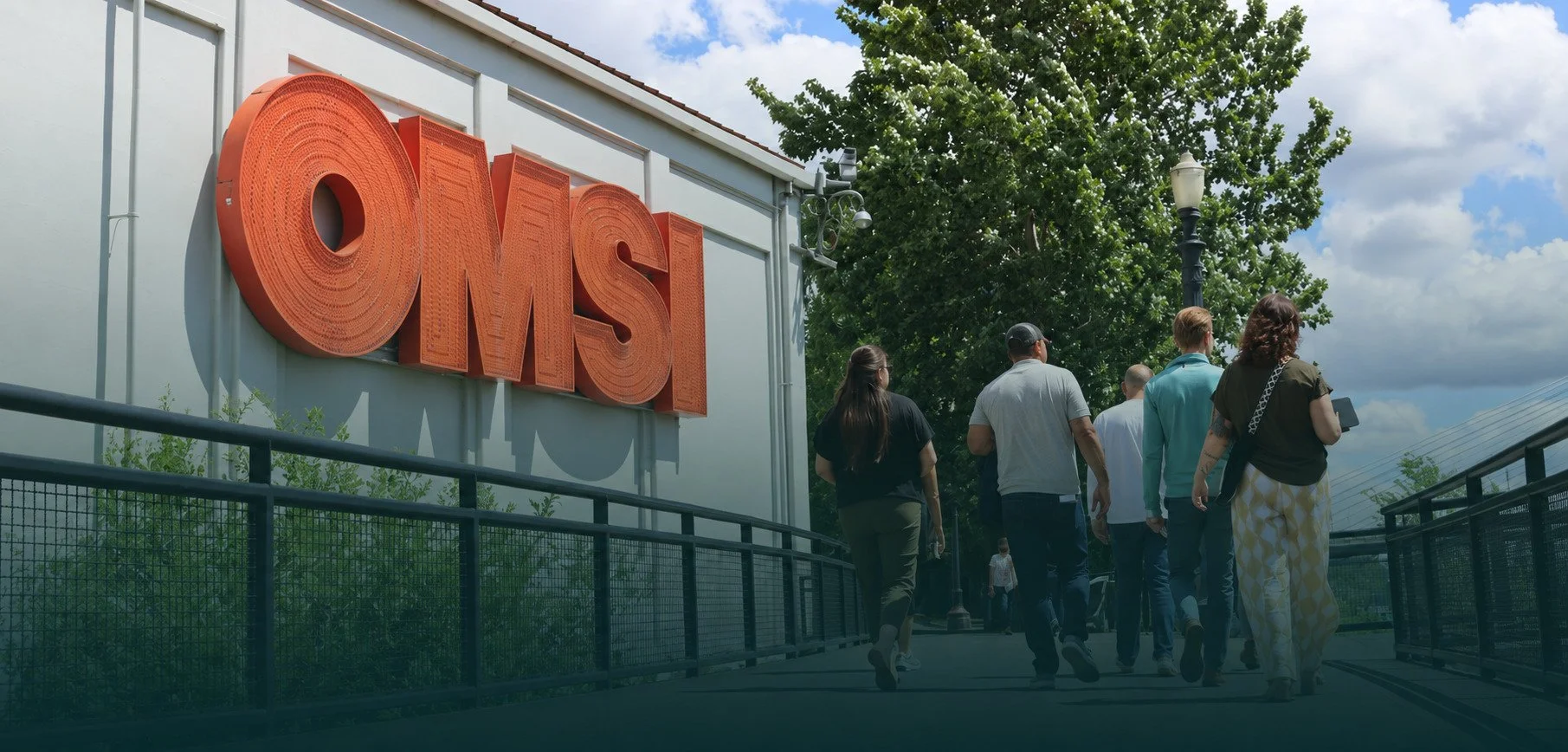
Many voices have brought us here.
CTN’s story is still being written. Community conversations and learning visits have helped establish a shared purpose and a vision for what comes next.
From shared priorities to a concrete plan.
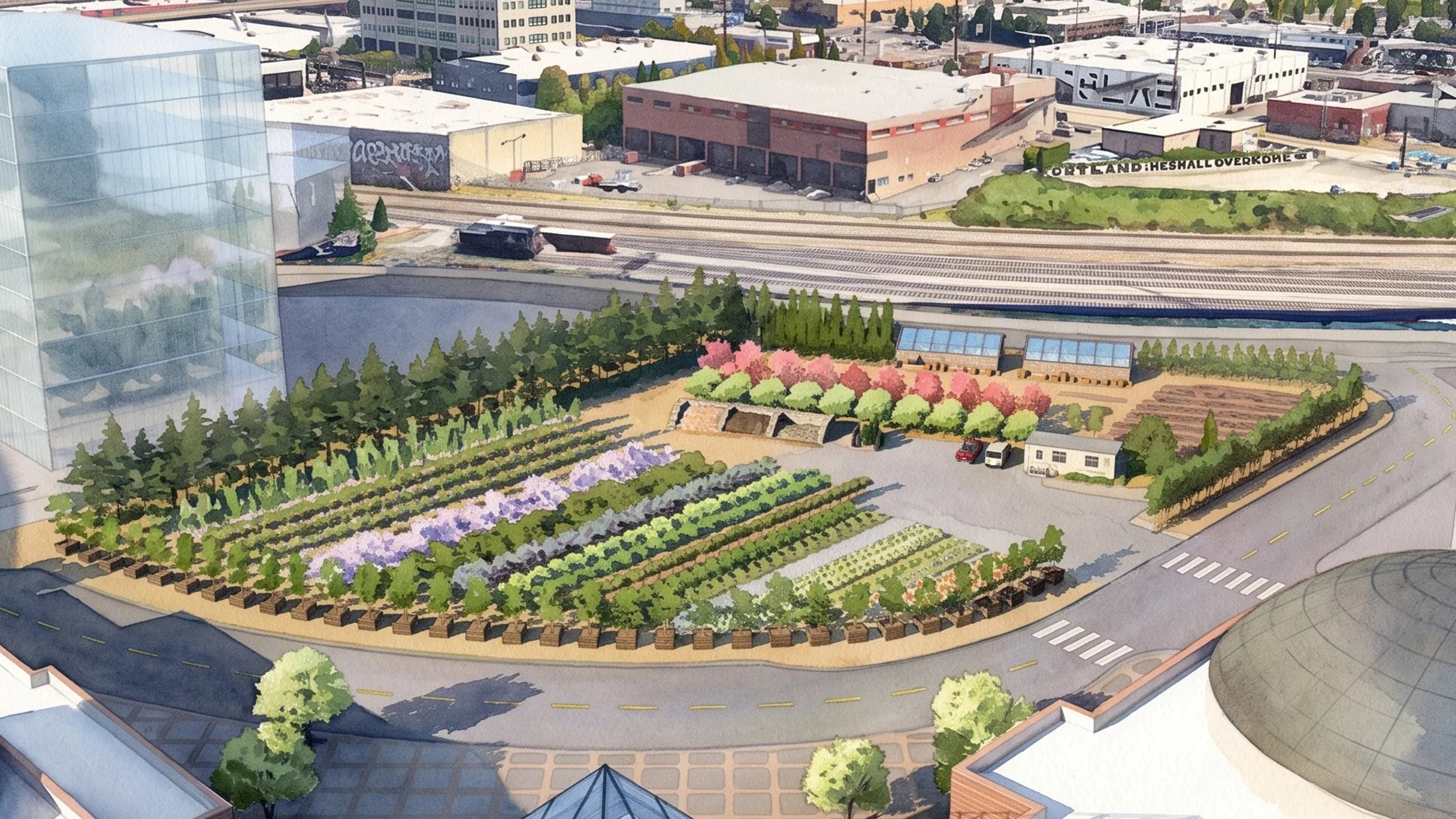
The April 2026 predesign brings community priorities and early design concepts into one document. The work ahead includes site agreements, design development, partnerships, and resources.
Spring 2020
A shared vision enters district planning.
OMSI’s planning-grant application to Metro included the Center for Tribal Nations and a waterfront education park. It opened a planning opportunity to bring a Native-led gathering place into the district’s next chapter.
January–April 2021
The conversation begins with listening.
Early sessions invited Tribal representatives, Native organizations, and community members to share ideas, identify needs, and explore possibilities. Their perspectives helped establish the questions the project would carry forward.
Spring 2021
Early sessions invited Tribal representatives, Native organizations, and community members to share ideas, identify needs, and explore possibilities. Their perspectives helped establish the questions the project would carry forward.
Community guidance takes a lasting form.
September 15, 2021
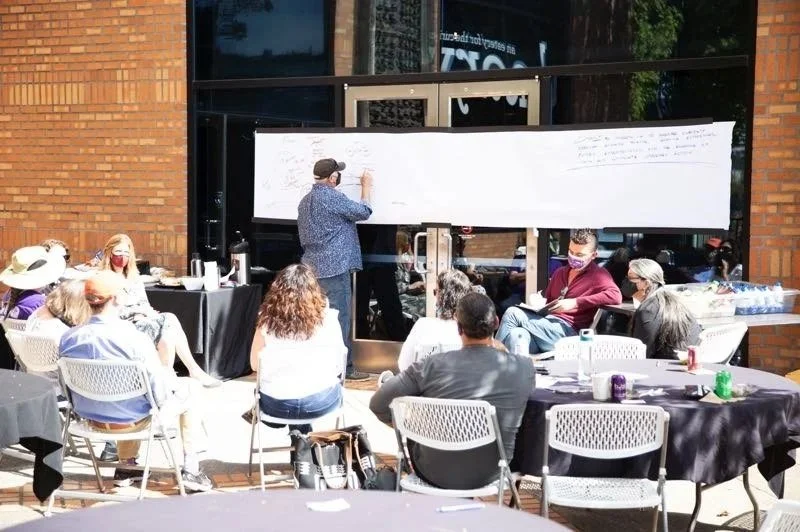
Advisory Committee members gathered at OMSI to share a meal, stories, and aspirations for the Portland-area Indigenous community. The gathering brought the conversation onto the riverfront itself.
A meal, a river, and a shared possibility.
“…it’s the restoration of the Native people right here on the shores of the Willamette…”
James Parker
ATNI Deputy Director, speaking in 2022
Business Tribune article republished by OMSI
2022
Tribal support strengthens the foundation.
The Affiliated Tribes of Northwest Indians passed a resolution supporting CTN. Community engagement and planning reports also documented the project’s purpose and early vision, creating a foundation for the next phase.
Winter 2022—January 2023
The work moves forward with NWNC.
Project leadership moved to the Northwest Native Chamber, with ATNI continuing as a political and advocacy partner. The next phase brought feasibility, design, and partnership development into focus.
May 2024
The team visited the American Indian Cultural Corridor, the Minneapolis American Indian Center, Hoċokata Ṫi, and Red Lake Nation College. The visits explored how cultural identity, gathering, education, and economic activity can strengthen an urban Native community.
Learning from Native places in Minneapolis.
June 2024
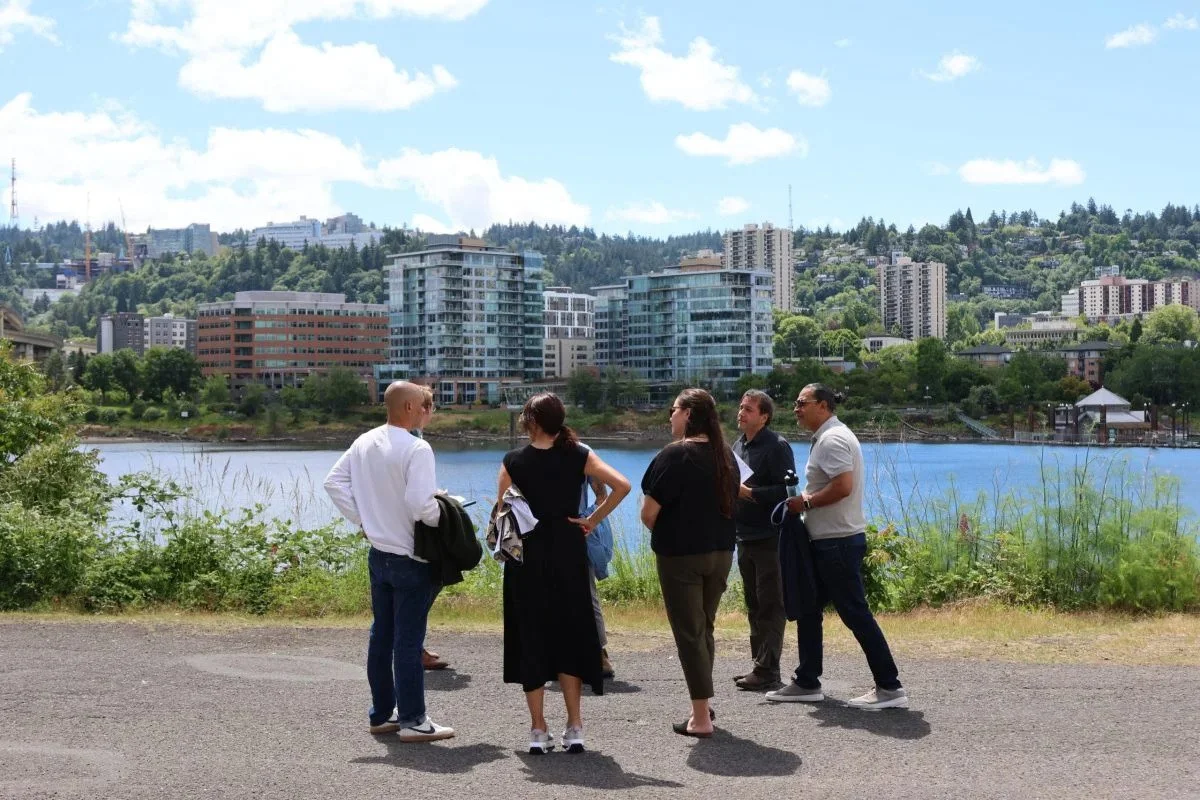
Listening, meeting, and walking the riverfront.
On June 11, community members and leaders met the design team at OMSI and toured the waterfront. Wider Oregon visits explored Native housing, cultural institutions, hospitality, and education—bringing practical examples into the conversation.
August 2024
Visits included Siletz, Grand Ronde, Portland State University’s Native student facilities, and the PAE Living Building. The team considered cultural expression, intergenerational gathering, environmental care, and the experience of arriving at a welcoming place.
More places and experiences inform the vision.
“Place where people can have a sense of belonging.”
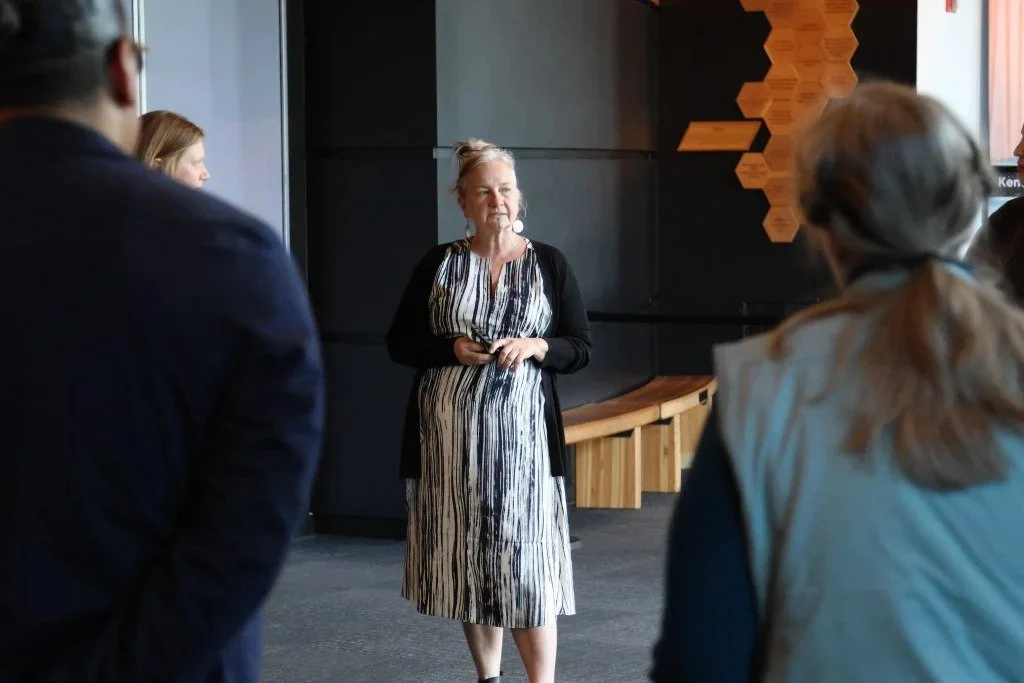
The predesign connects tour reflections and place-based research with four design principles: integration with nature, cultural identity, connection across past and future, and place-based innovation. The document identifies further refinement and Advisory Committee confirmation as next steps.
2024–2026
Community priorities become design principles.
“…as we reconnect, we are healing.”
Judy BlueHorse Skelton
April 30, 2026
The vision becomes a predesign.
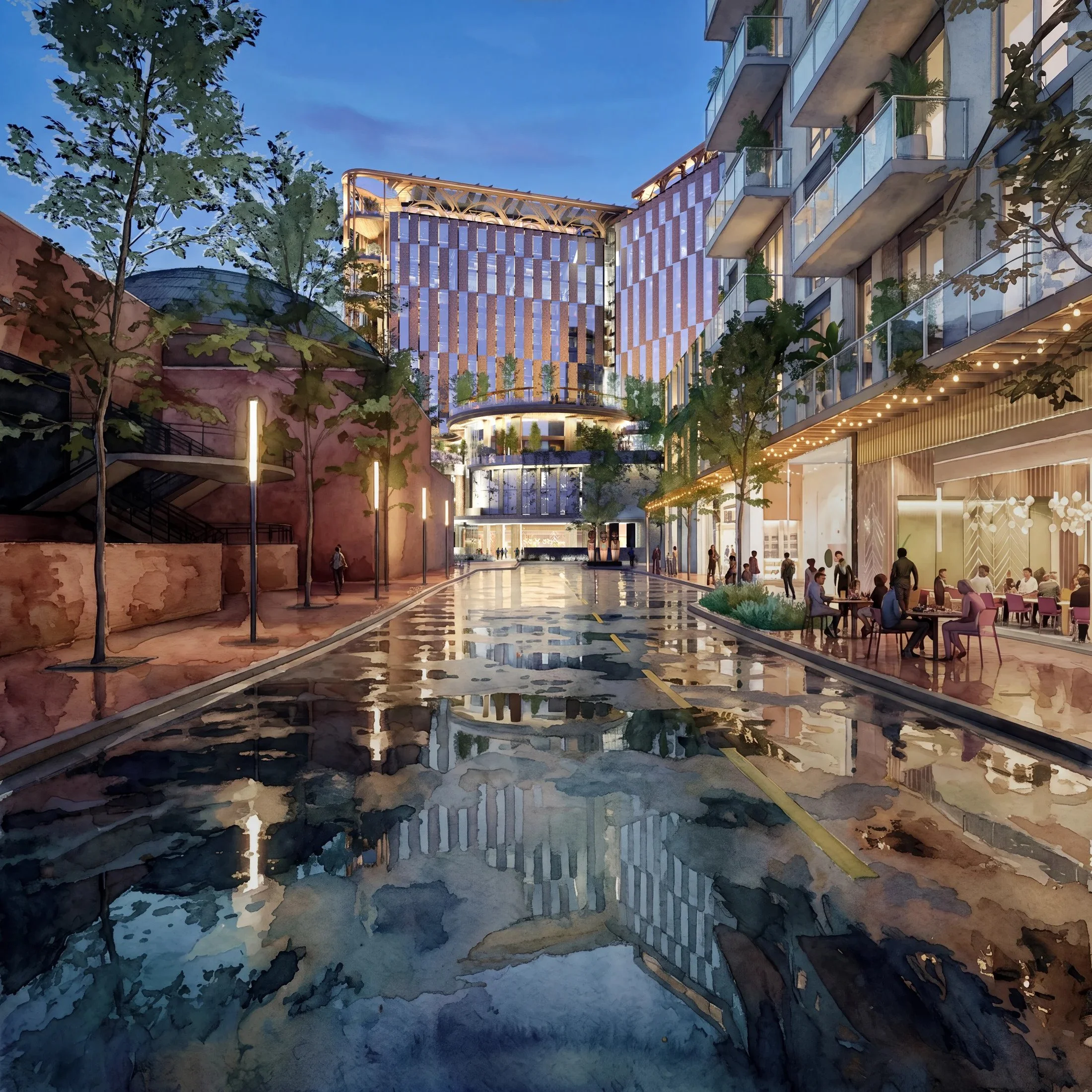
The predesign book brings community priorities together with proposed spaces, architectural concepts, and expectations for long-term stewardship. It gives people something concrete to review, discuss, and continue shaping.
Looking ahead
Turning the vision into a place people can use means securing the site, refining the design, and bringing partners and resources together. Specific timing will depend on agreements, funding, and design decisions. Community experience and practical contributions remain important to that work.
Making thoughtful commitments to what comes next.
Help write the next part of this story.
You may know a potential partner, have the expertise CTN needs, or see a way to help secure resources. A conversation is a good place to begin.